Understanding the Dual Challenge of Orthodontic Treatment
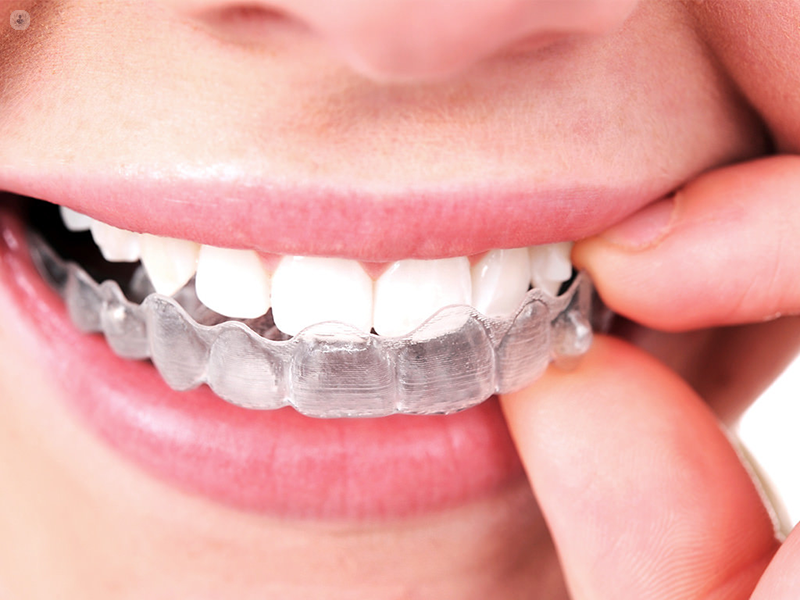
The journey towards a perfectly aligned smile often involves tackling more than one dental concern at a time. Tooth crowding and jaw misalignment frequently occur together, creating a complex puzzle that requires sophisticated orthodontic solutions. Modern clear aligner technology has revolutionised the way dental professionals approach these interconnected issues, offering patients a discreet and effective treatment pathway that addresses both concerns in tandem.
Traditional orthodontic thinking once treated these problems as separate entities, but contemporary understanding recognises that tooth position and jaw alignment are intrinsically linked. When teeth compete for limited space within the dental arch, they not only create aesthetic concerns but can also influence how the upper and lower jaws meet. This relationship between crowding and bite alignment makes simultaneous treatment not just convenient, but clinically advantageous.
The Mechanics Behind Simultaneous Correction
Clear aligners work through a precisely calibrated system of controlled forces applied to specific teeth at different stages of treatment. Each custom-made aligner in the sequence represents a small step towards the final goal, with research demonstrating the effectiveness of clear aligners in managing various orthodontic conditions. The technology allows orthodontists to programme movements that simultaneously create space for crowded teeth whilst guiding the jaw into proper alignment.
The process begins with detailed digital scans that map every contour of the patient’s teeth and bite relationship. This three-dimensional data enables treatment planning software to simulate the entire correction process before the first aligner is even manufactured. Practitioners can visualise how creating space in crowded areas will affect jaw positioning, and adjust the treatment plan accordingly to optimise both outcomes.
Strategic Tooth Movement Patterns
The sequencing of tooth movements plays a crucial role in achieving dual correction. Aligners may initially focus on expanding the dental arch to accommodate crowded teeth, which naturally begins to influence jaw positioning. As treatment progresses, specific attachments—small tooth-coloured bumps bonded to certain teeth—provide anchor points that allow the aligners to apply rotational and vertical forces, not just lateral pressure.
For those seeking Invisalign Tunbridge Wells treatment, understanding this strategic approach helps clarify why treatment timelines vary between patients. The complexity of simultaneously addressing crowding and jaw alignment requires individualised planning that accounts for the severity of both conditions and how they interact within each unique case.
Addressing Jaw Alignment Through Incremental Adjustments
Whilst the cosmetic benefits of resolving tooth crowding are immediately apparent, the correction of jaw misalignment delivers profound functional improvements. Malocclusion—the technical term for improper bite alignment—can contribute to uneven tooth wear, jaw pain, and difficulty chewing. Clear aligner therapy addresses these concerns through graduated repositioning that encourages the jaw to settle into a more harmonious relationship with the skull.
The aligners achieve this by strategically altering the contact points between upper and lower teeth. As crowded teeth move into their designated positions, they create new bite surfaces that guide the jaw into improved alignment. This process mimics natural dental development, working with the body’s adaptive responses rather than against them. Orthodontic treatment approaches that address both crowding and bite issues have shown considerable success in improving overall oral health outcomes.
The Role of Compliance in Dual Correction
The success of simultaneous treatment hinges significantly on patient adherence to the prescribed wearing schedule. Clear aligners typically require twenty to twenty-two hours of daily wear to maintain the momentum of tooth movement and jaw repositioning. Unlike fixed braces, the removable nature of aligners places responsibility squarely with the patient, making commitment an essential component of achieving optimal results.
Regular progress appointments allow practitioners to monitor both aspects of correction, ensuring that tooth movements are creating the anticipated improvements in jaw alignment. Clinical studies on aligner therapy outcomes have reinforced the importance of these check-ups in identifying any deviations from the planned treatment trajectory early enough to implement corrective measures.
Achieving Comprehensive Oral Health Benefits
The dual correction of tooth crowding and jaw alignment delivers benefits that extend well beyond aesthetics. Properly aligned teeth are easier to clean, reducing the risk of decay and gum disease in areas that were previously difficult to access. Improved jaw alignment can alleviate strain on the temporomandibular joint, potentially reducing headaches and facial discomfort that many patients had accepted as normal.
The simultaneous nature of this treatment approach also means shorter overall treatment times compared to addressing each issue sequentially. Patients benefit from a streamlined journey towards comprehensive oral health, with the convenience and discretion that modern clear aligner technology provides throughout the entire process.